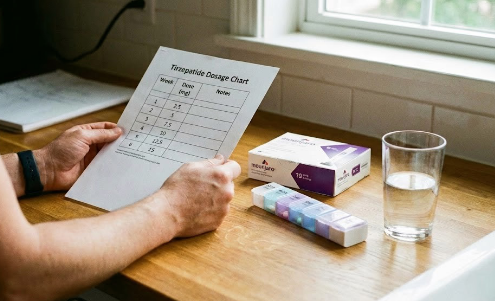
Understanding the zepbound titration schedule is key for those exploring tirzepatide as a treatment option. This medication, often discussed for its role in managing blood sugar and weight, requires a careful dosing plan to optimize results and minimize side effects. This article clarifies common questions about tirzepatide dosing, highlights important risks, and offers practical criteria to compare different dosing schedules effectively.
What Is the Zepbound Titration Schedule?
The zepbound titration schedule refers to the gradual increase in tirzepatide dosage designed to help the body adjust to the medication. Typically, dosing starts at a low level and increments occur every few weeks until reaching a target dose. This approach aims to reduce gastrointestinal side effects and improve tolerability. The exact timing and dose increases can vary depending on individual response and healthcare provider recommendations.
Common Questions About Tirzepatide Dosing
How quickly should the dose increase? Usually, tirzepatide starts at a low dose for about four weeks before stepping up. This slow progression allows monitoring for side effects and efficacy. Some people may need longer intervals between dose increases.
What happens if side effects occur during titration? Side effects such as nausea or digestive discomfort are common during dose increases. If these occur, healthcare providers might pause the titration or reduce the dose temporarily.
Can the schedule be adjusted? Yes, titration should be personalized. Factors like tolerability, weight loss goals, and blood sugar control influence dosing adjustments.
Risks and Caveats to Consider
While tirzepatide dosing schedules help reduce side effects, risks remain. Gastrointestinal symptoms are the most frequent, especially during early dosing phases. These can include nausea, vomiting, and diarrhea. Monitoring by a healthcare professional is crucial to address these issues promptly.
Another consideration is the risk of hypoglycemia, particularly if tirzepatide is used alongside other blood sugar-lowering medications. Adjusting those medications may be necessary to avoid low blood sugar episodes.
It is also important to recognize that individual responses to tirzepatide can vary significantly. Not everyone will reach the highest doses, and stopping or changing the schedule might be needed based on side effects or effectiveness.
How to Evaluate Titration Schedules Practically
When comparing different zepbound titration schedules or considering adjustments, use these criteria to guide decision-making:
Safety First: Prioritize schedules that minimize side effects while maintaining effectiveness. Watch for any serious adverse events during dose escalation.
Flexibility: Schedules that allow dose adjustments based on individual tolerance are preferable to rigid plans.
Clarity and Support: Clear instructions and healthcare provider support during titration can improve adherence and outcomes.
Time Frame: Consider how long the titration phase lasts. Some may prefer a quicker titration if side effects are manageable, while others need a slower approach.
Outcome Tracking: Regular monitoring of symptoms, blood sugar levels, and overall health is essential for timely dose modifications.
Comparing tirzepatide dosing schedules with these practical points can lead to better-informed choices and a more comfortable experience.
Further Reading and Resources
For those interested in a detailed side-by-side overview of tirzepatide dosing options and titration strategies, reviewing the full FormBlends comparison offers comprehensive insights that can help clarify differences and support informed discussions with healthcare professionals.
Frequently Asked Questions
Can tirzepatide dosing schedules be customized for people with kidney or liver problems?
Yes, dosing adjustments may be necessary for individuals with kidney or liver impairments. Healthcare providers will tailor the titration schedule based on the patient’s overall health status and medication response.
Is it safe to stop tirzepatide suddenly if side effects occur?
It is important to consult a healthcare provider before stopping tirzepatide abruptly. They can provide guidance on how to safely discontinue or adjust dosing to minimize risks.
How long does it typically take to reach the maintenance dose?
Reaching the maintenance dose usually takes several weeks, often around 4 to 8 weeks, depending on individual tolerance and response during titration.
Final Note
This article is for informational purposes only and does not substitute for professional medical advice. Always consult a healthcare provider for personalized guidance regarding tirzepatide dosing and management.
What to verify before acting
Before a reader relies on any comparison about tirzepatide dosing schedule, the safest move is to confirm the basics directly. Check when the page was last updated, whether the criteria are explained clearly, and whether the recommendation separates facts from marketing claims. It also helps to compare total cost, access requirements, support, refund language, and any limits that could change the real-world value of an option.
The goal is not to find a perfect answer from one article. The goal is to narrow the search to a short list, understand the tradeoffs, and know which questions to ask next. That approach is slower than clicking the first result, but it usually produces a better decision and reduces the chance of being pulled in by a page that ranks well without explaining enough.
